
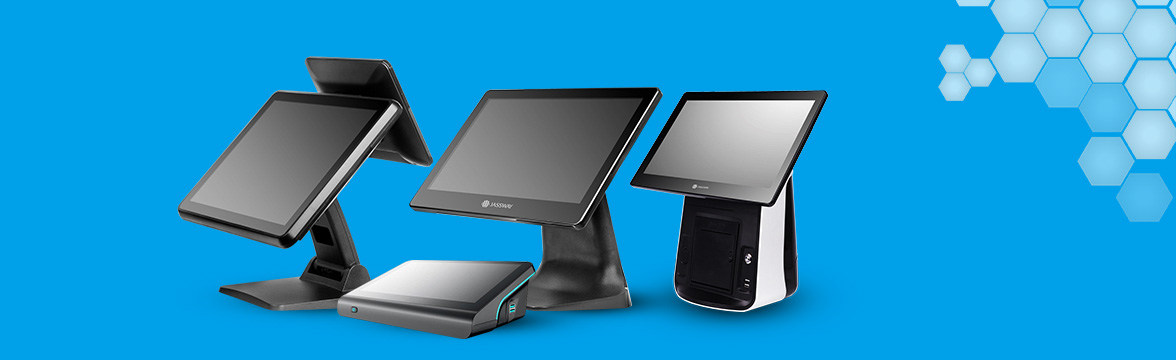
POS System
Install a POS System
The POS system (Point of Sale): A key to enhancing business efficiency
In this digital era, where everything is driven by technology, a POS (Point of Sale) system has become an essential tool for businesses of all sizes—whether retail shops, restaurants, or service providers. This system not only handles sales recording, but also streamlines store management, inventory control, and business data analytics.
If you’d like to install a POS system with us, we provide free on-site evaluation and consultation.
Contact Line: @Nicesystem,
Tel: 033-265-438, 096-246-232-4
Table of Contents
-
What is a POS system?
-
Advantages of using a POS
-
Which businesses are suitable for a POS system?
-
Benefits of installing a POS in your business
-
Steps to choose and install a POS
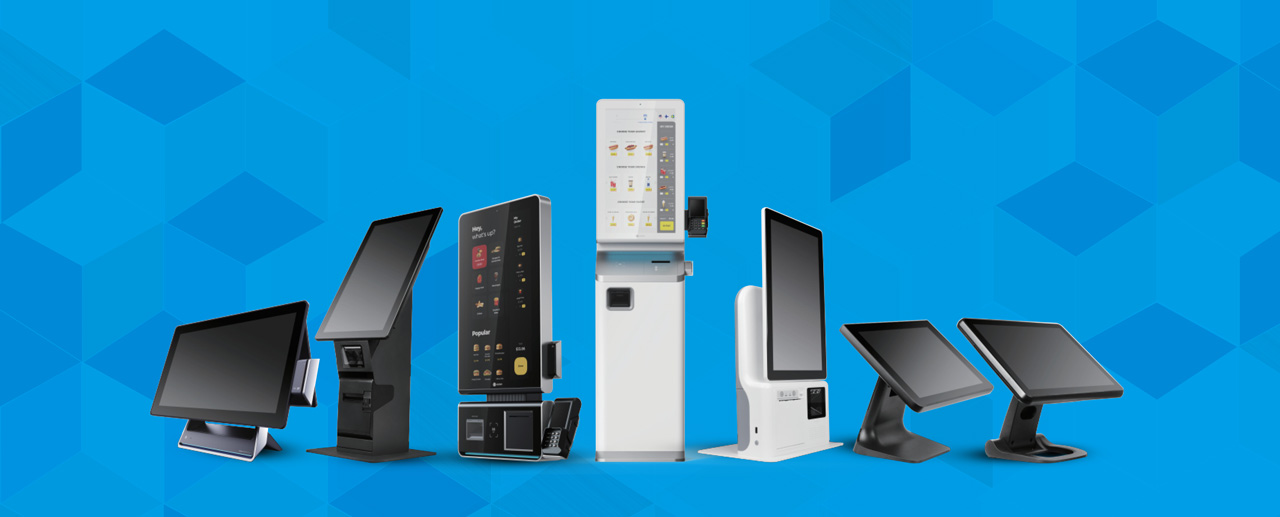
What Is a POS System?
A POS system refers to the system used to manage all types of sales transactions. It typically includes both hardware and software for recording sales, issuing receipts, and managing payments. Nowadays, many POS systems operate on the cloud, allowing businesses to access data anytime, anywhere.
Advantages of Using a POS System
-
Improved sales efficiency
The POS system makes sales operations faster and easier, eliminating manual entry, minimizing errors, and increasing customer satisfaction. -
Efficient inventory management
POS systems can connect with inventory management systems to alert business owners about low stock or out-of-stock items. You can also set reorder alerts automatically. -
Business data analytics & reporting
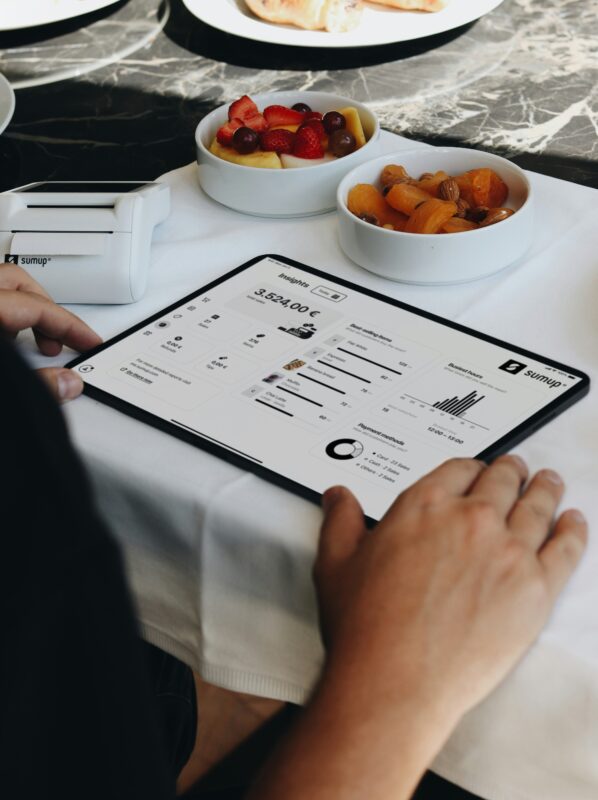
POS systems collect sales data and analyze it to identify sales trends, best-selling products, and peak sales times. This helps business owners make more accurate marketing strategies. -
Multi-branch management
For businesses with multiple branches, a POS system can interconnect data across branches, allowing centralized monitoring of sales, inventory, and more—without the need to physically visit each location. -
Support for multiple payment methods
Modern POS systems support various payment methods: cash, credit card, debit card, or smartphone-based apps—making it easier for customers to pay.
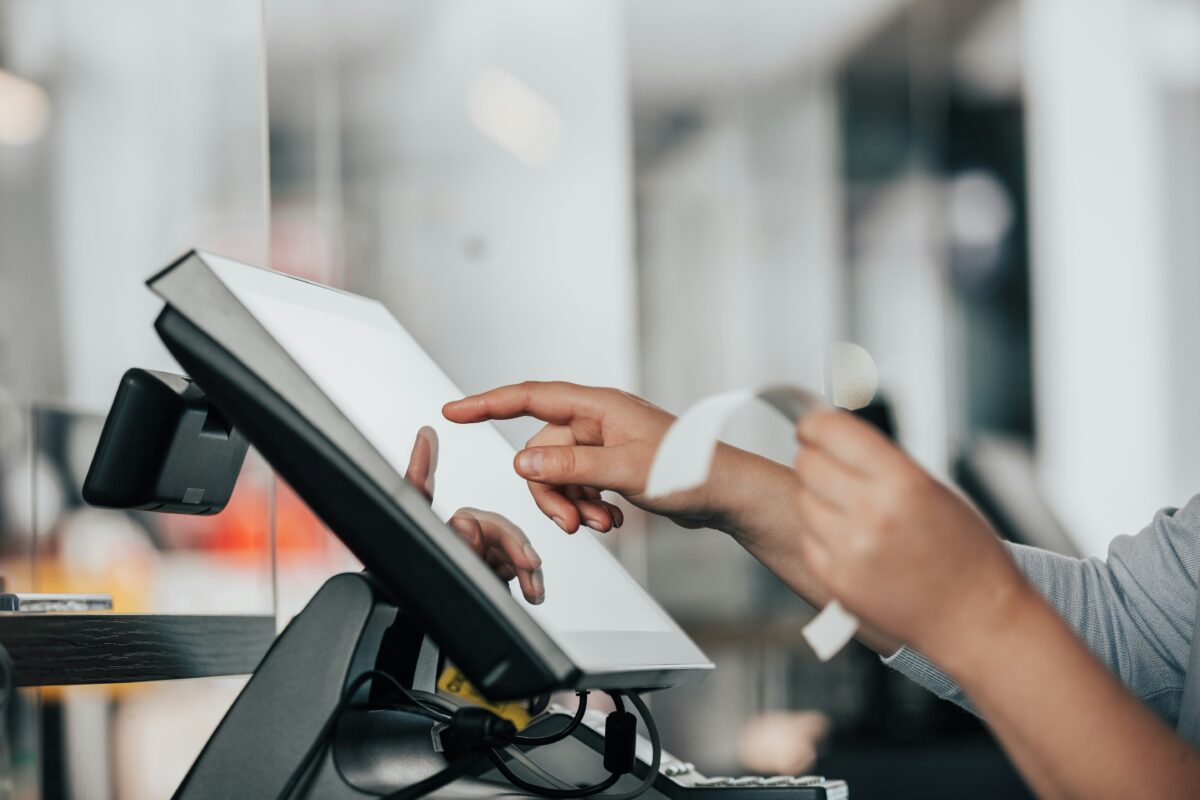
Which Businesses Are Suitable for a POS System?
-
Retail shops: such as grocery stores, clothing stores, convenience stores—POS helps streamline sales and inventory management.
-
Restaurants: can use POS for order management, payment handling, and ingredient inventory tracking.
-
Service businesses: such as beauty salons or spas, which need appointment and payment management systems.
Using a POS is a cost-effective investment with benefits in sales efficiency, inventory control, and data-driven insights. If you’re seeking a tool to simplify and enhance your business management, POS is a choice not to be overlooked.
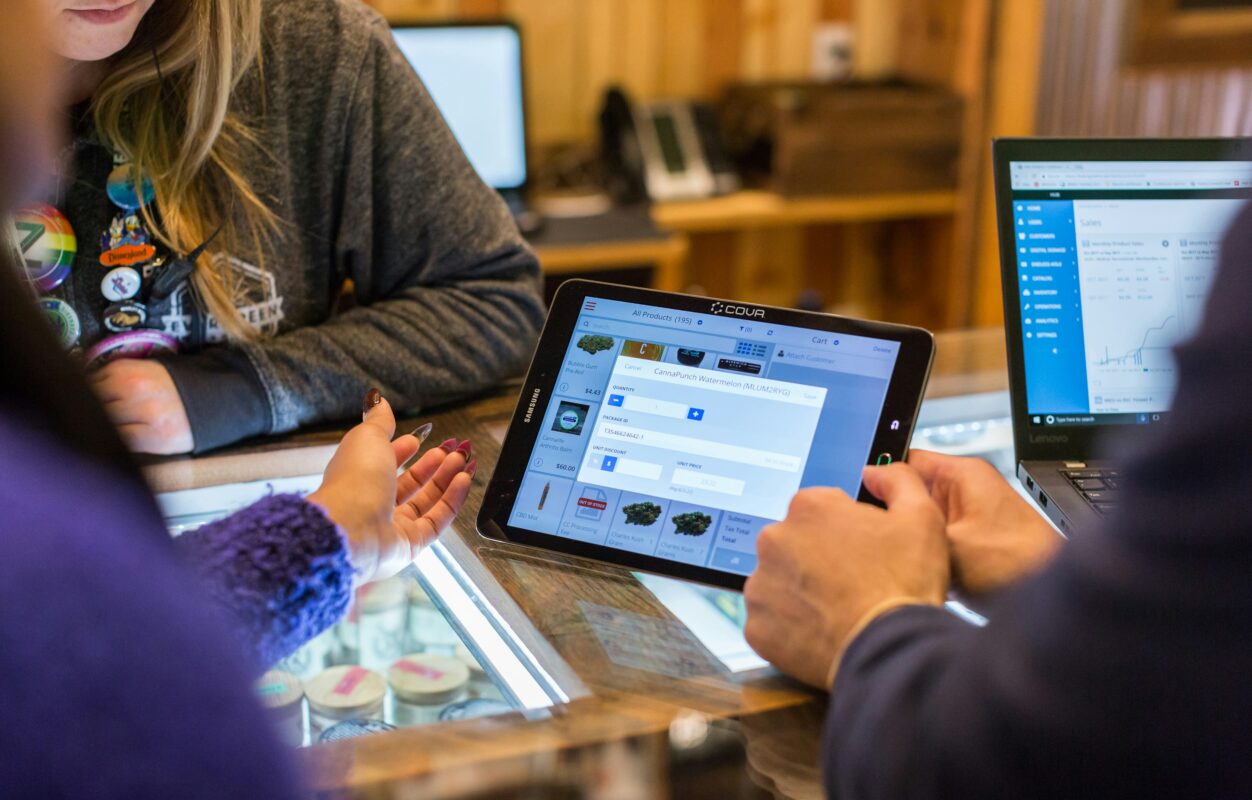
Benefits of Installing a POS in Your Business
-
Speed up sales operations
POS systems allow faster processing, reduce time spent calculating totals and issuing receipts—giving customers quicker service. -
Reduce manual entry errors
Automated processes reduce mistakes from manual calculations or stock tracking. -
Enable efficient inventory tracking
Track stock levels in real time, so business owners can monitor and manage inventory effectively. -
Business data analytics
All sales data is collected and used for reporting—helping owners see trends, revenue, and best-selling items across time periods. -
Support multiple payment options
POS systems support cash, credit, debit, and mobile payments—boosting convenience for customers and reducing missed sales. -
Branch connectivity
For multi-branch businesses, POS links data across stores, letting owners track sales and inventory from a central location in real time. -
Enhanced customer service experience
Faster and accurate transactions improve customer impressions and satisfaction. -
Simplified promotions & discount handling
Easily configure promotions and discounts in the system so staff can apply them quickly and accurately. -
Reduce losses from fraud
POS systems maintain detailed sales logs, which help reduce internal theft or fraudulent activity by staff. -
Real-time reporting
Business owners can view summary reports and data in real time via internet-connected devices—allowing immediate decisions based on accurate info.
Installing a POS not only helps business operations run more smoothly but is also a vital tool for managing data and improving performance in all facets—sales, inventory, and analytics.
Steps to Choose & Install a POS System
Contact
Phone:033-265-438, 096-246-2324
Line: @Nicesystem
Email: [email protected]
Facebook: sysnetpattaya