
CCTV camera
What is CCTV (Closed-Circuit Television)?
Sep
CCTV, or Closed-Circuit Television, is a surveillance camera system used to record and monitor events within specific designated areas, such as retail stores, warehouses, factories, office buildings, hotels, and residential properties. Video feeds from the cameras are transmitted to a recorder or networked storage system, enabling authorized users to view live and recorded footage based on defined user privileges.
What is CCTV?
The term ‘Closed-Circuit’ signifies that video transmission is strictly confined to the user’s private system rather than being broadcast publicly. Modern CCTV systems predominantly utilize IP cameras connected via local and wide-area networks, providing convenient remote monitoring via smartphones, computers, or centralized control centers.
Components of a CCTV Surveillance System
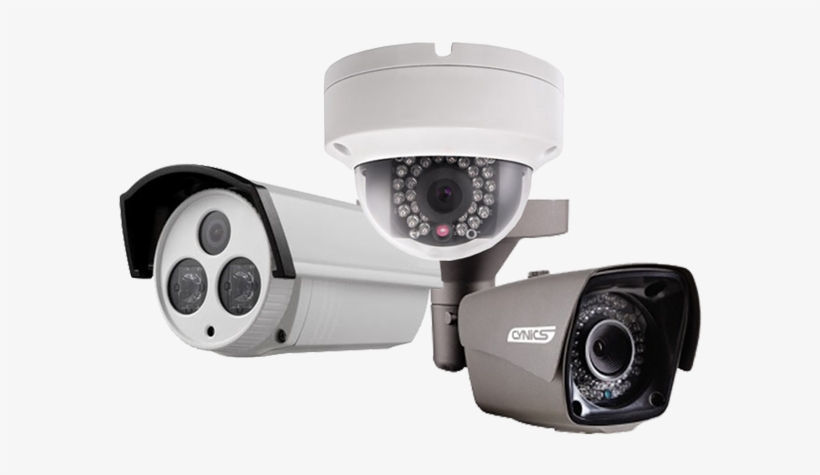
- CCTV cameras, such as dome, bullet, turret, PTZ, or specialized application cameras
- Recording devices (NVR or DVR) equipped with dedicated surveillance hard drives for video archiving
- Cabling infrastructure, including LAN cables or fiber optic cables, depending on distance and site conditions
- Network switches, PoE switches, and uninterruptible power supplies (UPS) for network connectivity and power backup
- Display monitors, mobile/desktop applications, and user privilege management for footage viewing
Which CCTV Camera Types Suit Different Applications?
Dome cameras are ideal for indoor installations due to their discreet and aesthetically clean profile. Bullet cameras are best suited for outdoor environments, offering clear visible deterrence and directional focus. PTZ (Pan-Tilt-Zoom) cameras excel in expansive spaces requiring 360-degree rotation, optical zoom, or target tracking. For industrial plants and warehouses, essential considerations also include infrared (IR) night vision range, field of view, sensor resolution, and IP dust/waterproof ratings.
Key Factors to Consider When Selecting a CCTV System
- Operational objective, such as general area overview, license plate recognition (LPR), or cash register (POS) monitoring
- Camera resolution and lens focal length tailored to actual focal distances
- Required retention period for video footage storage (number of days)
- Lighting conditions: daytime, nighttime, backlight compensation, or dark/low-light areas
- Network bandwidth capacity and structured cabling quality to ensure stable video streams
Integrating CCTV with Other Systems
For enterprise deployments, CCTV should be designed in conjunction with Network Systems, Fiber Optic Infrastructure, and Access Control Systems to ensure smooth video streaming, eliminate latency/buffering, and accommodate future camera expansion. Learn more about our solutions at CCTV Installation Services.
Conclusion
CCTV serves as a foundational security system that helps prevent incidents, facilitates incident investigation, and reinforces business confidence. Designing an appropriate network topology for the site is just as crucial as selecting the cameras themselves, directly impacting image quality, transmission stability, and long-term maintenance costs.
Interested in POS system installation in Pattaya, Chonburi, and Rayong? Contact us today:
📞 Tel: 096-246-2324 (Khun Mai), 033-265-438
📱 Line: @Nicesystem
📍 Service Areas: Pattaya, Bang Lamung, Sattahip, Si Racha, Chonburi City, Amata Industrial Estate, Pluak Daeng, Rayong, and surrounding areas