
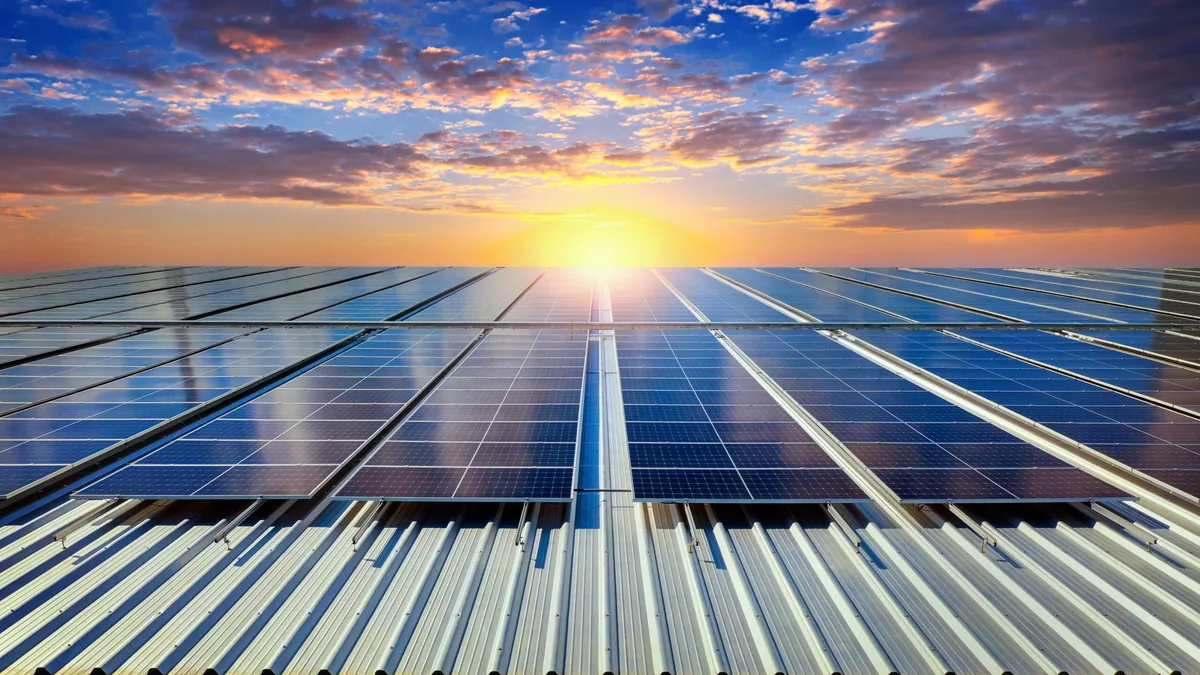
Solar cell installation in Pattaya, Chonburi and Rayong
Solar cell installation for homes, shops, office buildings, factories and warehouses, with a site survey, system sizing, payback analysis and installation supervision in Pattaya, Chonburi, Rayong and the Eastern region, by a team with real experience.
Who solar cells suit, and what we assess
- Who it suits: homes, pool villas, shops, cafes, hotels, office buildings, factories and warehouses that use electricity steadily during the day
- Service area: Pattaya, Bang Lamung, Sattahip, Si Racha, Chonburi city, Amata, Pluak Daeng, Rayong and nearby areas in the Eastern region
- What we assess: electricity bills, daytime load, roof structure, sun direction, shading, cable distances and future expansion plans
- What you get: advice on system size, whether on-grid, off-grid or hybrid suits you, and an initial payback overview before you decide to install
|
Item |
Starting price |
Notes |
|---|---|---|
|
3 kW solar cell installation |
98,000 baht |
Ask for details |
|
5 kW solar cell installation |
135,000 baht |
Ask for details |
|
10 kW solar cell installation |
220,000 baht |
Ask for details |
|
Other accessories |
Call for a price |
Call for a price |
Solar cell installation for homes, businesses and factories
We handle everything from the site survey and energy use assessment to system design and equipment installation suited to real use, taking into account the electrical load, roof structure, sun direction and future expansion plans, whether for a home, shop, office building, factory or warehouse that wants to cut electricity costs in the long term.
- Homes: for homeowners who want to cut daytime electricity costs and add value to their property
- Shops and commercial buildings: helps control energy costs and reduce monthly expenses
- Office buildings: suits businesses that use electricity steadily during working hours
- Factories and warehouses: suits large roof areas where you want to cut energy costs in the long term
Which type of solar system suits you?
We can plan on-grid, off-grid and hybrid systems to suit your usage, budget and energy saving goals.
To learn more about the differences between the systems, see our guide On-grid vs off-grid vs hybrid solar: what is the difference? and our article Types of batteries compared to help you plan before installing.
What kinds of site solar cells suit
Our team often finds that customers in Pattaya, Chonburi and Rayong start from different goals, such as cutting daytime electricity costs at home, reducing electricity costs for restaurants and hotels, or designing a system for factories and warehouses that use power steadily during working hours.
- Homes and pool villas: for homeowners who want to cut daytime electricity costs and get more long-term value from their property
- Restaurants, cafes, hotels and resorts in Pattaya: for businesses with high daytime loads from air conditioning, refrigerators, water pumps and customer service equipment
- Offices, commercial buildings and showrooms in Chonburi: for sites that want to control energy costs and plan expenses more easily
- Factories, warehouses and work sites in Rayong or industrial areas: for buildings with large roofs that want to cut electricity costs and see a clear payback period
Interested in solar cell installation in Pattaya, Chonburi or Rayong? Contact us for a site survey and system sizing now:
📞 Call: 096-246-2324 (Khun Mai), 033-265-438
📱 LINE: @Nicesystem
📍 Service area: Pattaya, Bang Lamung, Sattahip, Si Racha, Chonburi city, Amata, Pluak Daeng, Rayong and nearby areas
Contents
- Benefits of installing solar cells
- Solar cell installation steps
- Solar cell installation techniques for maximum efficiency
- Calculating the return on a solar cell investment
- Common questions about solar cell installation
- Related articles and energy services
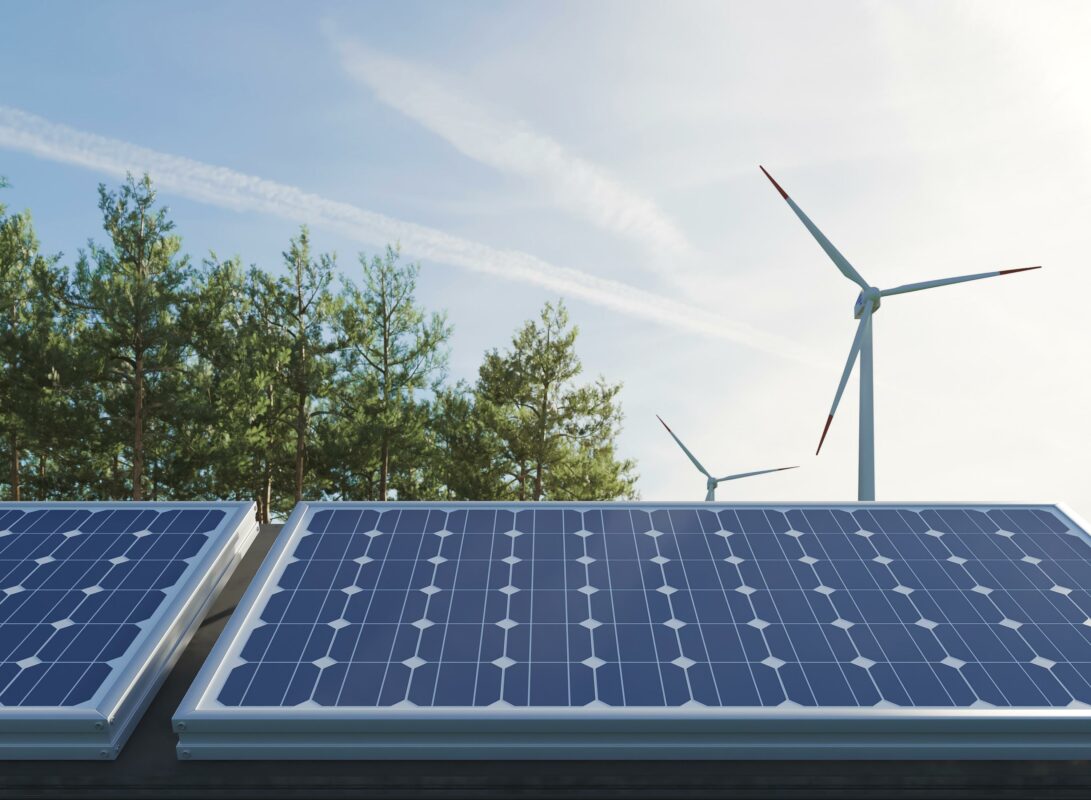
1. Benefits of installing solar cells
- Lower costs: sunlight is a free energy source! Once you have invested in solar cells, you will see your monthly electricity bill fall significantly.
- Lower greenhouse gas emissions: solar power produces no greenhouse gas emissions, reducing its impact on climate change.
- Less reliance on finite energy sources: solar uses a natural energy source, unlike oil and coal.
- Sustainability: solar cells last a long time, around 20-25 years, and can be recycled.
- Low maintenance costs: once installed, solar cells are fairly easy to maintain and do not cost much to look after.
- Flexible installation: they can be installed on roofs, on the ground or even on building walls.
- Added property value: many people see homes with solar cells as more valuable and more energy efficient.
- Less demand on the grid: when you produce more solar power than you need, it can be fed back into the grid.
- An option for remote areas: where there is no grid connection, solar cells are a good way to produce power.
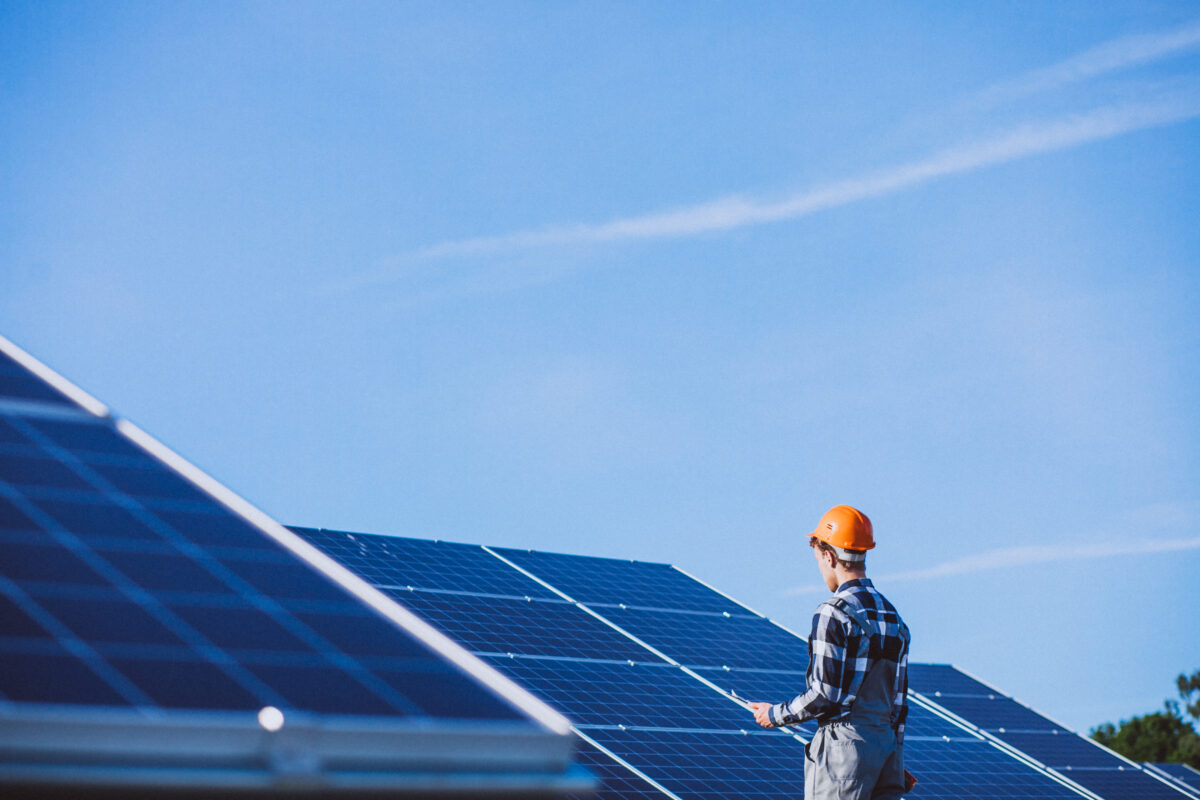
2. Solar cell installation steps
Installing solar cells needs care and a proper understanding to get the most benefit and to install safely. Here are the installation steps.
- Site analysis and assessment:
– Check whether the installation area is large enough and suitable
– Consider sun exposure and how much it is obstructed
- Choosing panels and equipment:
– Research and choose quality solar panels suited to your use
– Choose other equipment such as inverters, batteries and control systems
- System design:
– Plan and design a solar system that suits the site and your usage
- Site preparation:
– Clean and prepare the installation area, such as the roof or open ground
- Installing the solar panels:
– Mount the panels on the prepared area, taking into account the right direction and tilt
- Installing other equipment:
– Install the inverter, batteries and control system, and wire them as needed
- System check:
– Switch on and test the system to make sure it works correctly and efficiently
- Maintenance:
– After installation, check and maintain the system regularly so it works efficiently and lasts
- Assessing the benefits:
– Check and assess the benefits of the solar system, such as electricity savings, lower greenhouse gas emissions and more
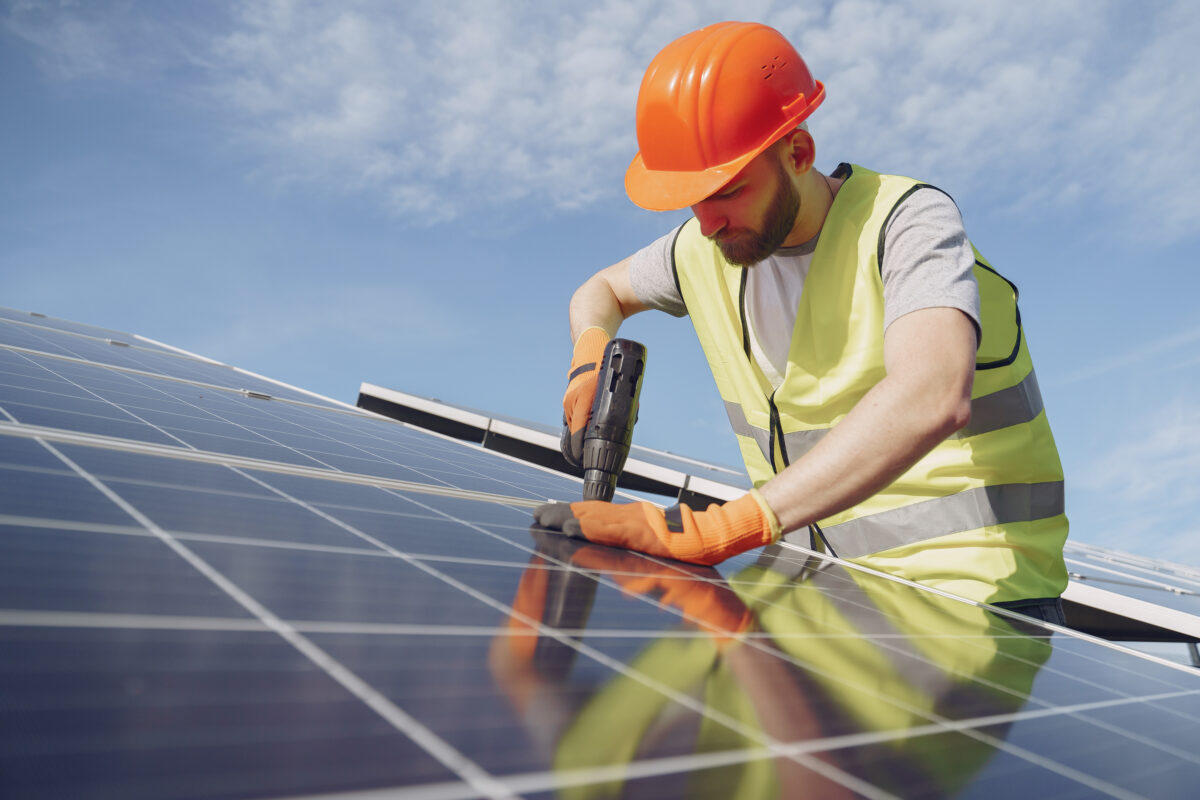
3. Solar cell installation techniques for maximum efficiency
Installing solar cells is not just about mounting panels. It takes knowledge and the right techniques to achieve the expected performance. Here are the installation techniques you should know.
- Understanding the installation area:
– Consider the installation direction so the panels get the most sunlight. Study the terrain and identify obstacles such as trees or buildings that cast shade
- Choosing the installation position:
– Choose a position with no obstruction to sunlight, taking into account height above the ground and good ventilation
- Using tools:
– Use tools such as a compass to check direction and an inclinometer to set the right panel tilt
- Checking the roof material:
– Choose durable materials that can carry the weight of the panels
- Checking the electrical system:
– Check the electrical system and the safety of the grid connection
- Performance testing:
– After installation, test the system to check its performance and fix any problems
- Impact protection:
– Install impact protection, such as fencing or durable materials
- Maintenance:
– Inspect and clean the panels regularly so the system works at its best
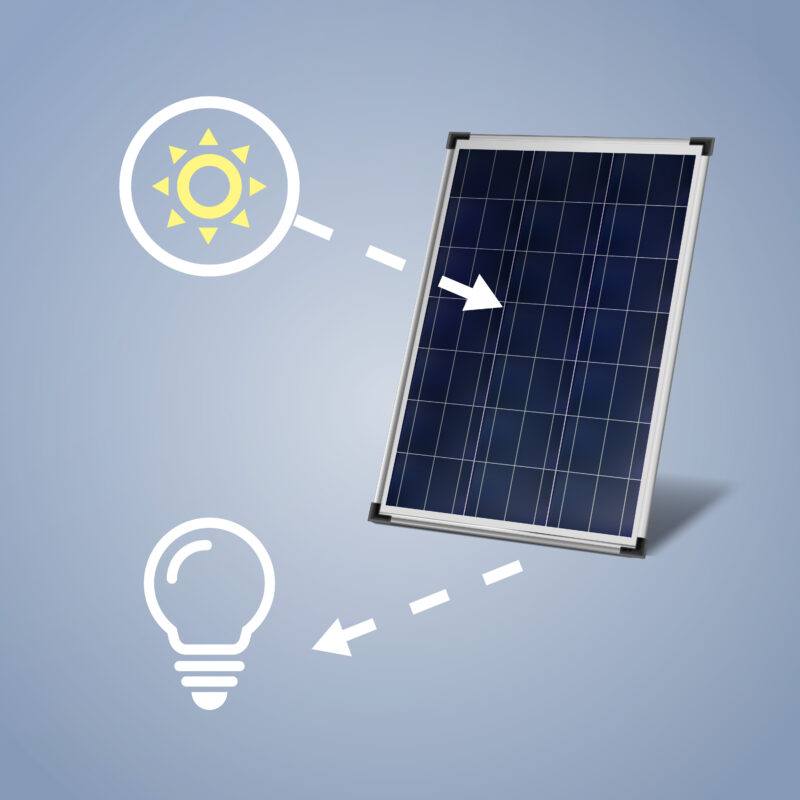
4. Calculating the return on investment
Deciding to invest in solar cells is not easy. Assessing the return on a solar investment is essential to make sure it will meet your expectations. If you are considering solar cells for your home or business, here is how to calculate the return:
- Estimate the project cost:
– Solar panels
– Other equipment such as inverters, mounting frames and batteries
– Installation labour
– Long-term maintenance
- Estimate the benefits:
– Energy produced per day, month and year
– Reduced use of energy from other sources
– Lower greenhouse gas emissions
– Added property value
- Calculate the payback (ROI):
– How long it will take to recover the installation and maintenance costs
– The savings from not using energy from other sources
- Compare with other options:
– Compare with other energy sources such as wind turbines or grid electricity
– Consider expected future developments in solar technology
- Consider the risks:
– Weather risks and loss of panel efficiency
– Technology risks and future falls in panel prices
5. Common questions about solar cell installation
Investing in solar cells for your home or business takes accurate knowledge and information to get the most benefit. Here are the questions people most often ask about solar cells:
- How do solar cells work?
-Solar panels convert sunlight into electricity through a physical process called the photovoltaic effect.
- Is solar cell installation expensive?
-The cost depends on the size and type of system, but solar panel prices have fallen steadily in recent years. On average, the investment can pay back within 5-7 years.
- Can solar power be my main energy source?
-In areas with enough sunlight, solar can be the main energy source, but you may need a backup system for reliability.
- How long do solar panels last?
– The average lifespan of solar panels is 25-30 years, after which their output may decline slightly.
- What maintenance do solar cells need?
– Solar cells need little maintenance, such as an occasional rinse with water to remove dust and dirt.
- Which homes and businesses are solar cells suitable for?
-Homes, shops, office buildings, factories and warehouses that use electricity steadily during the day and want to cut electricity costs in the long term.
- How do I choose between on-grid, off-grid and hybrid?
-If you want to save on electricity and already have a grid supply, an on-grid system is usually the right starting point. Off-grid and hybrid systems suit sites that need backup power or have grid limitations.
- How should a hotel, restaurant or cafe in Pattaya get started with solar?
-Start by collecting your electricity bills and peak usage times, so our team can assess the load from air conditioning, refrigerators, water pumps and other equipment before designing a system that fits your business hours.
- What should a factory or warehouse in Chonburi or Rayong assess before installing?
-Look at the daytime load, usable roof area, roof structure, inverter location and payback target, so the system size and installation plan match real use.
6. Related articles and energy services
If you are comparing solar system types or planning to cut electricity costs at home or in your business, read the related articles and services below to help you decide:
- Compare on-grid, off-grid and hybrid systems for customers choosing the right system structure for their site
- Guide to battery types for solar systems for projects that need backup power or plan to expand in future
- Power saving services to cut business electricity costs for hotels, restaurants and factories that want to cut costs alongside solar
- EV charger installation for homes and businesses that want an energy system supporting electric vehicles in one place
Service from an experienced team and expert technicians
Nice System and Development installs solar cells, with a site survey, system design and analysis of your usage, tailored to each type of home, business and factory.
Service area
We serve Pattaya, Bang Lamung, Sattahip, Si Racha, Chonburi city, Amata, Pluak Daeng, Rayong and nearby areas in the Eastern region.
What to prepare before installation
- Your latest electricity bill to estimate the load and initial system size
- Site information such as roof type, installation area and peak usage times
- Your goals: cutting electricity costs, adding backup power or planning future expansion
- Site constraints such as shading, roof direction, inverter location and cable distances
Ask about our solar cell installation service
Book a site survey and get initial advice
📍 Location: serving Pattaya, Chonburi, Rayong and nearby areas
Call : 033-265-438, 096-246-2324
Email: [email protected]
LINE: @Nicesystem
Facebook: sysnetpattaya
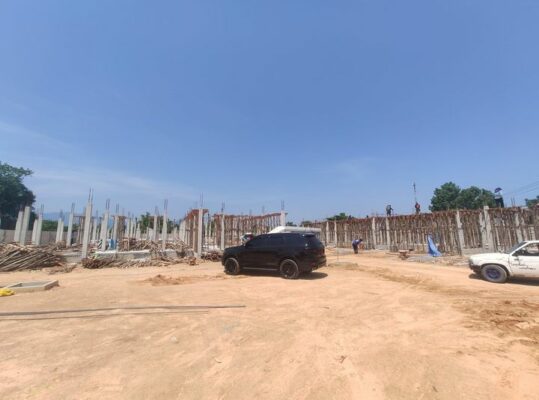
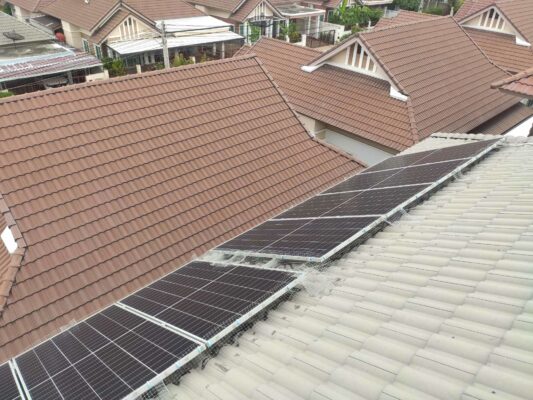
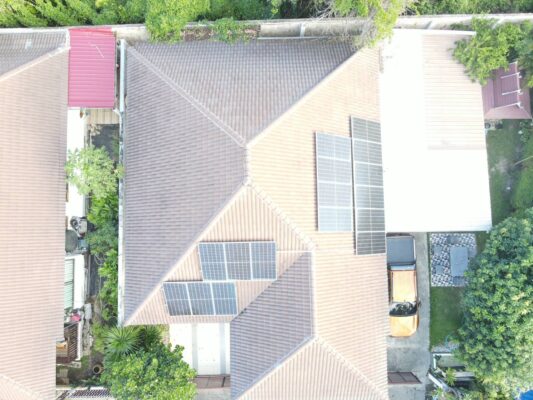
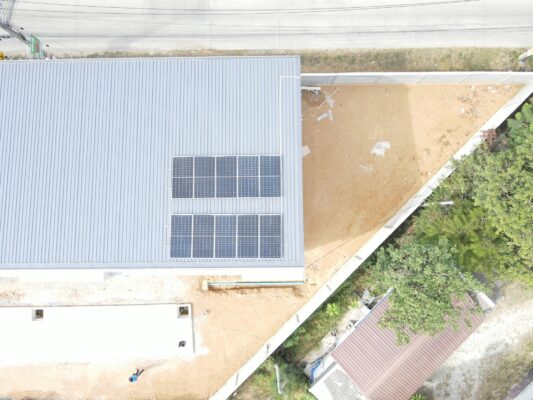
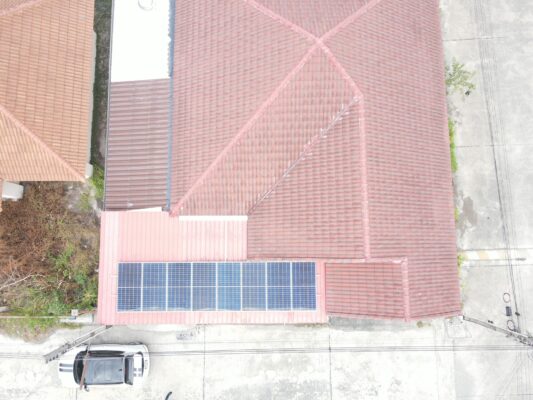
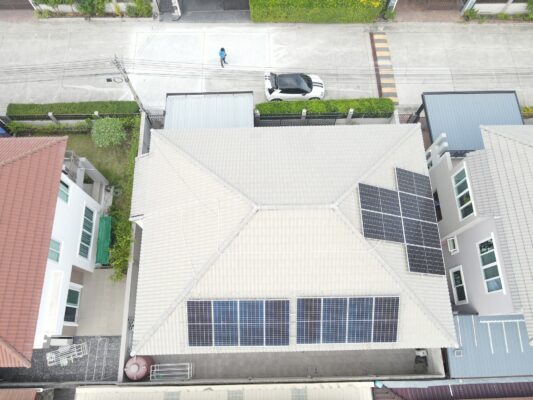
Our installation projects
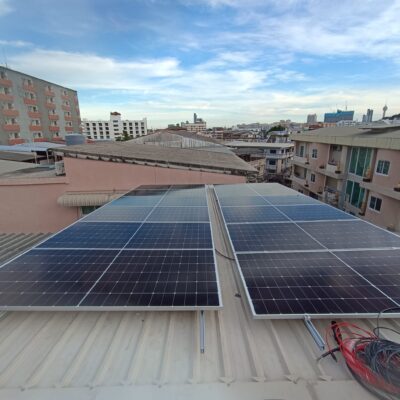
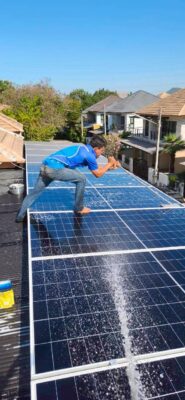
Get a solar cell assessment
Talk to the Systems Connect team in Pattaya, Chonburi and Rayong. Call 033-265-438 or 096-246-2324, or message us on LINE @Nicesystem.
Contact Us Call 033-265-438 Call 096-246-2324Monitoring energy use alongside solar cells
A solar assessment for a business should look at both generation and actual usage patterns. To collect data from electrical panels or see load trends over time, you can plan an energy monitoring and smart meter system for factories and buildings as part of the project, after checking existing equipment, measuring points and the data you need.