
IoT
What Is IoT? How Factories in Eastern Thailand Use It
Mar
In an era where digital transformation decides who stays competitive, IoT (Internet of Things) is no longer new. It is a key tool that can decide whether a factory merely survives or thrives in the coming decade. This is especially true in Thailand’s Eastern region and the Eastern Economic Corridor (EEC), where competition is intense and production efficiency is everything.
This article explains what IoT is, why it matters for industrial plants, and how it can help turn factories in Chonburi, Rayong and Chachoengsao into smart factories.
1. What Is IoT? The Basic Idea
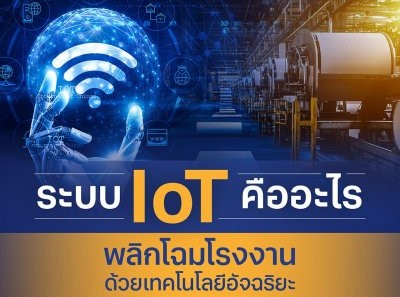
IoT stands for Internet of Things. It is a network of objects, devices or machines fitted with sensors, software and other technology so they can connect and exchange data with other devices over a network. They do not need a person to give every command.
In factories, this is usually called IIoT (Industrial Internet of Things). It focuses on connecting production-line machines to a central processing system, so managers and engineers can see the whole plant in real time.
Key Components of a Factory IoT System
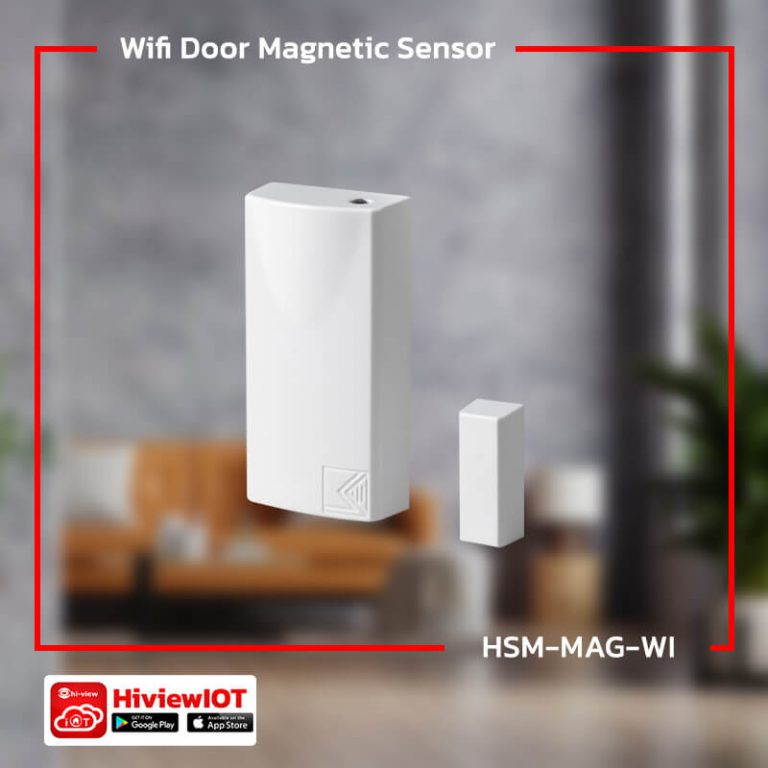
- Hardware (sensors/devices): devices that collect data, such as temperature sensors, vibration sensors and power meters.
- Connectivity: how the data travels, for example over WiFi, 5G, LoRaWAN or Bluetooth.
- Data processing: the back-end that turns raw data into useful information.
- User interface (dashboard): screens that show the data so people can understand it and decide quickly.
2. Why the Eastern Region Needs IoT Now
Thailand’s Eastern region, especially the EEC, is a hub for “S-Curve” industries such as electric vehicles, smart electronics and petrochemicals. IoT is a key piece of the move to “Thailand 4.0”, for these reasons:
- Labour shortages: rising wages and a shrinking working-age workforce push factories towards IoT-controlled automation.
- Demand for precision: modern technology products need quality control with almost no room for error.
- Government policy: BOI tax incentives may be available to factories that improve efficiency with smart technology. Conditions change over time, so check the current BOI criteria for your project.
3. How IoT Helps Factories in the Eastern Region
Installing IoT is not about following a trend. It solves pain points most factories face.
3.1 Predictive Maintenance
This is the biggest change. Factories have traditionally repaired machines after they break down, or serviced them on a fixed schedule (preventive maintenance). With IoT, heat or vibration sensors on machines help predict when a machine is likely to fail. That reduces unplanned downtime, which can be extremely costly for a production line.
3.2 Asset Tracking and Logistics
On large industrial estates, tracking containers or pallets inside a warehouse is difficult. IoT shows where goods are in real time, reducing losses and speeding up deliveries as part of supply-chain optimisation.
3.3 Energy Management
Factories in Rayong and Chonburi use a great deal of energy. IoT can measure electricity and water use at each point in the plant and adjust operations to match real demand. Savings in the range of 10–20% a year are often cited, but actual results depend on the site and should be confirmed with your own measurements.
3.4 Worker Safety (Smart Safety)
IoT-connected wearables can monitor the health of staff in high-risk areas, or alert immediately if someone enters a danger zone. This helps reduce workplace accidents significantly.
4. How to Start Using IoT in Your Factory
If you own a factory in the Eastern region and want to begin, here is a short roadmap:
- Identify problems: define what you want to fix, such as high electricity bills or frequent machine breakdowns.
- Pilot project: start small in one area to check the return on investment (ROI).
- Data integration: connect IoT data to your existing management systems, such as ERP or MES.
- Scale up: once you see results, roll out across the whole plant.
5. Challenges and Precautions
IoT has many benefits, but business owners must watch cybersecurity. Connecting devices to a network opens more ways for attackers to get in. Choosing a partner with real network and security expertise is essential.
Real-World IoT Examples for Businesses
IoT is not only for large factories. Hotels, office buildings, warehouses and multi-branch retailers can use it to:
- track equipment status;
- measure temperature;
- detect water leaks;
- monitor electricity use;
- raise alerts when machines behave abnormally.
This data lets managers act on facts instead of waiting for problems and then repairing them.
Information to Gather Before an IoT Project
- The list of machines or equipment to monitor.
- The values to track, such as temperature, humidity, current or on/off status.
- How often data is sent, and how alerts should work.
- Your existing network, WiFi or fiber optic infrastructure on site.
- Who will use the dashboard, and their access rights.
For businesses in the EEC, starting with a small use case usually shows results quickly, for example monitoring a cold room, water pumps or electricity use. It is also easier to grow into a smart factory than starting with a large, unclear project.
FAQ: IoT for Businesses
Does IoT have to start with a big system?
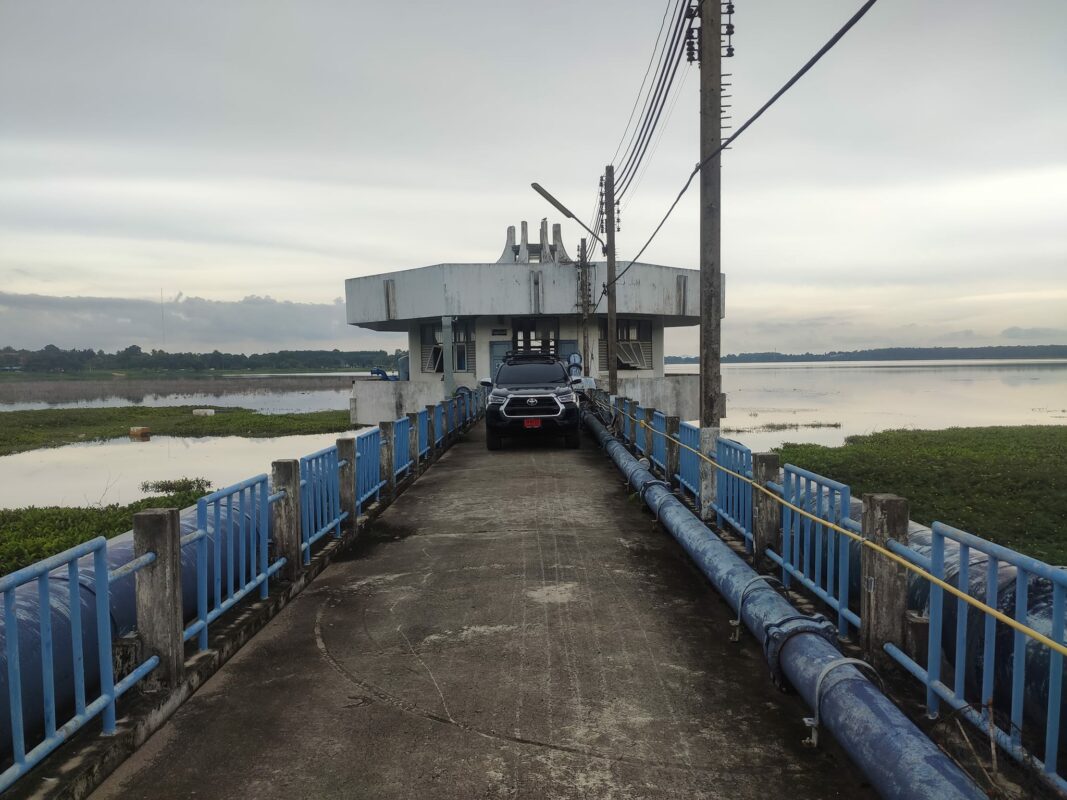
No. Start where results are easy to measure: cold-room temperature, machine status, electricity consumption, water-leak alerts or network-device status. Then expand to a central dashboard and data analytics.
How is IoT different from automation?
Automation focuses on commanding and controlling processes. IoT focuses on connecting devices to the network to collect, send and display data in real time. Many projects use both. For example, sensors feed a dashboard while a control system switches equipment on or off based on conditions.
What kind of network does IoT need?
- A separate VLAN for IoT devices, for security.
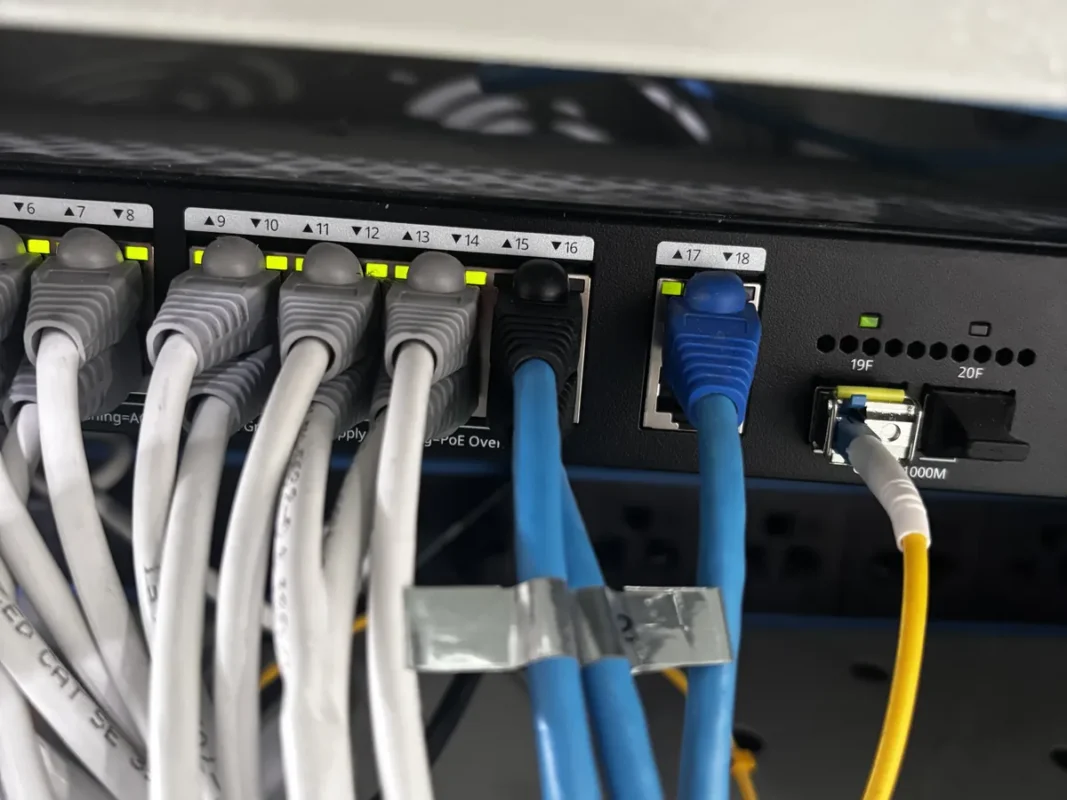
- WiFi or LAN coverage at every sensor location.
- A suitable protocol, such as MQTT, HTTP or a Modbus gateway.
- Defined access rights to the dashboard and data.
- Backup power, plus backup internet if the system must send alerts at all times.
Summary
IoT is not a future technology. It is a present-day technology that factories in the Eastern region need to stay competitive. Investing in IoT today lays the foundation for sustainability and for becoming a true smart factory tomorrow.
“In industry, data is treasure, and IoT is the most powerful tool for mining it.”
Let Us Help You Start Your Smart Factory Journey
If you are interested in IoT for a factory or business in the EEC, see our IoT devices and network systems. You can also call 033-265-438, 096-246-2324, LINE @Nicesystem (include the @), or contact us online. We serve Pattaya, Chonburi, Rayong and the Eastern Seaboard.